Leader in the 2026 Gartner® Magic Quadrant™ for Intranet Packaged Solutions
Culture Is a Verb: Insights from Melissa Daimler
Melissa Daimler joins Barbara Booras to explore why workplace culture isn't something organizations have – it's something they continuously create through everyday decisions, leadership behaviors, and intentional design.

Barbara Booras
Head of Customer Community & CX Events at Workvivo
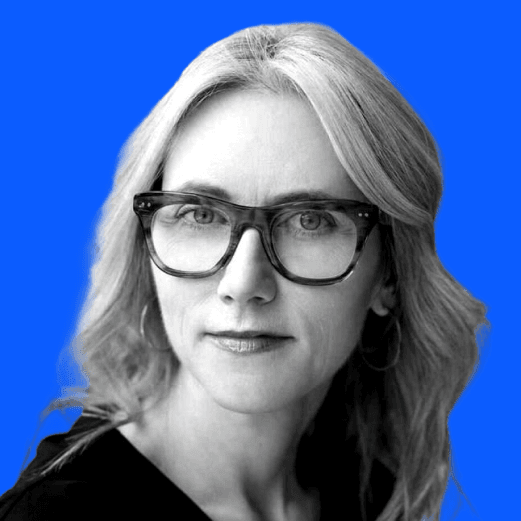
Melissa Daimler
Author, Coach, and Leader

What does it really take to build a great workplace culture?
For years, organizations have treated culture as something that simply happens – a set of values on a wall, a collection of perks, or the personality of a company. But according to organizational development expert Melissa Daimler, culture is far more intentional than that.
In the latest episode of the Vivowire Podcast, Barbara sits down with Melissa to explore why culture should be viewed as a living system, how leaders can create clarity at every level of an organization, and why AI is creating one of the biggest cultural shifts businesses have ever faced.
Whether you're leading a global enterprise or building a growing team, this conversation offers practical advice for creating cultures that evolve alongside your business.
Watch or listen
You can watch this episode of the Vivowire Podcast here, or alternatively catch it on Spotify, Apple Podcasts, YouTube, or wherever you get your podcasts.
Here are the key takeaways
1. Culture isn't what you say – it's how people work together
Melissa argues that culture isn't free lunches, office perks, or even company values.
It's reflected in the everyday choices people make.
How decisions are made.
How feedback is shared.
How leaders communicate.
Who gets promoted.
Culture is simply how work gets done.
2. Every organization has a human operating system
One of Melissa's most compelling ideas is the concept of a "human operating system."
Whether leaders intentionally design it or not, every company develops systems that shape behavior.
The most successful organizations don't leave those systems to chance – they continually refine them as their business evolves.
As Melissa puts it, culture isn't a noun. It's a verb.
3. Leaders don't fail because they lack values – they fail because they lack clarity
Many organizations proudly display company values.
Far fewer translate those values into everyday behaviors.
Melissa explains that leaders need to create clear expectations around how people communicate, collaborate, make decisions, and support one another.
Without clarity, consistency becomes impossible.
4. AI isn't just changing technology – it's changing culture
While AI is often discussed as a technology transformation, Melissa sees something bigger.
It's a leadership and culture challenge.
Organizations need clear guidance on how humans and AI work together, because technology simply amplifies the behaviors and systems that already exist.
Strong culture becomes even more important as AI adoption accelerates.
5. Culture is never finished
Perhaps the biggest misconception Melissa challenges is that culture can simply be "set."
Organizations grow, people change, and markets evolve. Culture has to evolve too.
Rather than treating culture as a one-time initiative, leaders should continually redesign it as their organization changes.
Final thoughts
Great workplace cultures don't happen by accident.
They're intentionally designed, consistently reinforced, and continuously improved.
Melissa's message is ultimately optimistic: organizations don't need perfect cultures – they need leaders willing to keep building them.
If you care about leadership, organizational culture, and preparing your business for an AI-enabled future, this episode is well worth your time.
The people behind the voices
Barbara Booras
Head of Customer Community & CX Events at Workvivo
Barbara Booras is Head of Customer Community & CX Events at Workvivo. Specializing in Expert Services within Customer Experience, Barbara collaborates with key strategic customers with a global audience on optimizing their Workvivo experience. She spent 6+ years in New York City leading internal communications and transforming company culture at DIVINA in her role as the first Culture & Community Manager. Barbara is a self-described workplace culture nerd, obsessed with elevating the employee experience.
Now based in Boston, Barbara enjoys freelance food writing, boxing, distance running, and world travel. Barbara is a 4x marathoner currently working on completing the Abbott World Marathon Majors. Barbara has an educational background in hospitality and tourism and approaches EX with a high-touch, hospitality mindset.
Melissa Daimler
Author, Coach, and Leader
I'm Melissa Daimler, an organizational development expert, executive coach, and author passionate about helping organizations build healthier, more intentional workplace cultures.
Throughout my career, I've led learning, leadership development, and organizational effectiveness at companies including Adobe, Twitter, WeWork, and Yahoo. My work focuses on helping leaders design the systems, behaviours, and habits that shape how work gets done.
I'm the author of Reculturing: Design Your Company Culture to Connect with Strategy and Purpose for Lasting Success, where I introduce the idea of treating culture as an ongoing practice rather than a one-time initiative.
Today, I work with organizations around the world to help leaders build clarity, strengthen collaboration, and create cultures that evolve alongside their people and business.